Aluminium Sliding Doors: Premium Space-Saving Door Systems for Patios
Energy Efficiency and Sliding Doors: What Every Homeowner Should Know
Energy efficiency remains an essential element for homeowners aiming to boost comfort and cut down on costs. Sliding doors, when designed with specific features, play a significant role in achieving these goals. Familiarizing oneself with the diverse components and installation approaches can produce meaningful savings and better indoor surroundings. As energy-efficient sliding doors continue to gain popularity, it brings up questions about the most effective methods for selecting and upkeeping them. What are the essential elements to consider?
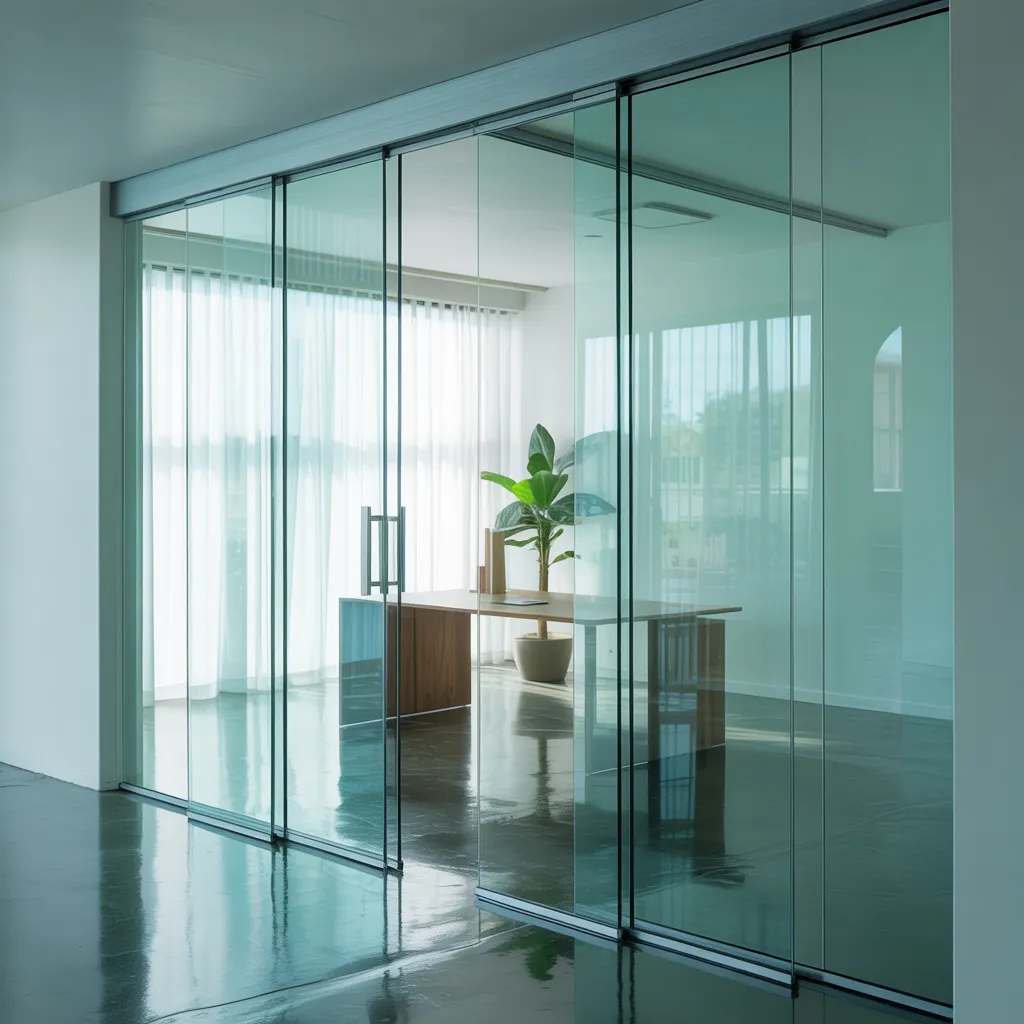
What Makes Energy-Efficient Sliding Doors a Smart Choice?
Energy-saving sliding doors provide substantial advantages for homeowners seeking to improve comfort and lower energy expenses. These doors are built to limit heat transfer, which helps preserve a steady indoor temperature across all seasons. By blocking drafts and reducing thermal loss, they help create a more stable and comfortable living environment.
Furthermore, energy-saving sliding doors often incorporate innovative materials and modern technologies that improve insulation. Homeowners have the advantage of increased natural light while benefiting from reduced reliance on conventional lighting. Moreover, these doors are often engineered to filter out harmful ultraviolet rays, safeguarding indoor furnishings against discoloration.
Choosing energy-saving sliding doors can bring about decreased utility expenses over time, making them an economical option. Homeowners may also discover that these doors increase the total worth of their residence. In an era focused on eco-friendliness and energy savings, choosing energy-saving sliding doors is a wise and sustainable choice.
Leading Features That Boost Energy Efficiency in Sliding Doors
While many homeowners seek to enhance energy efficiency, the features of sliding doors prove vital in accomplishing this aim. One notable element is multi-point lock configurations, which guarantee a tight seal and reduce air leakage. Low-emissivity (Low-E) glass represents another important feature, redirecting heat while welcoming natural light, thereby maintaining indoor temperatures. Moreover, weatherstripping around the door frame helps prevent drafts, strengthening the insulating properties.
Thermal breaks in the frame can also read now contribute considerably, minimizing heat transfer and improving overall energy performance. Furthermore, opting for a well-matched track system can decrease friction, guaranteeing smooth operation without compromising the seal. Finally, the incorporation of energy-saving hardware, such as insulated handles and locks, can contribute meaningfully to sustained energy efficiency. Combined, these elements allow homeowners to experience comfortable living environments while lowering energy use and expenses.
Materials That Boost Insulation and Performance
The selection of elements for sliding doors serves a critical function in enhancing their insulation and overall performance. High-performance frame materials, such as vinyl and fiberglass, significantly minimize thermal transfer, while high-performance glass options boost energy retention. Combined, these components lead to a more thermally stable living space and lower energy costs.
Energy-Saving Frame Materials
Sliding doors can greatly enhance a home's energy performance when made with the right framing materials. Options such as vinyl, fiberglass, and wood-clad frames offer superior insulation properties. Vinyl frames are particularly effective, as they withstand temperature changes and minimize heat transfer. Fiberglass frames, recognized for their durability and low thermal conductivity, help decrease energy loss. Wood-clad frames combine the aesthetic appeal of natural wood with the insulating benefits of other materials, delivering an equilibrium of design and efficiency. Additionally, aluminum frames with thermal breaks may also perform efficiently when constructed appropriately. Picking the ideal frame material plays a vital role in enhancing energy performance and maintaining a comfortable indoor environment while lowering climate control costs.
Top-Tier Glass Choices
Premium glass technologies substantially boost the thermal performance of sliding doors, providing superior thermal protection and enhanced performance. These specialized glazing technologies often include dual or triple-layer pane designs, which seal air or insulating gas between panels, markedly reducing heat transfer. Low-emissivity (Low-E) coatings also boost insulation effectiveness by reflecting heat back into the home while enabling daylight to filter inside. Furthermore, some high-performance glass options incorporate argon or krypton gas fills, improving overall insulation performance. These features not only contribute to a warmer and more pleasant living space but also decrease utility bills. By choosing sliding doors featuring advanced glazing, homeowners can achieve a balance of aesthetics and energy efficiency, establishing a sound investment toward enduring cost savings and eco-conscious living.
How Proper Installation Boosts Energy Savings
The proper fitting of sliding doors considerably boosts energy conservation by providing airtight seals and optimal alignment. When sliding doors are accurately positioned, they limit air leakage, which is a frequent cause of energy loss in residential properties. Gaps or misalignments can allow conditioned air to escape, causing a rise in heating and cooling expenditures.
Furthermore, professional installation enhances the longevity and functionality of the doors, minimizing the chances of deterioration that can negatively affect insulation effectiveness over the years. A professional installer will confirm that the frame is correctly positioned and that all parts, such as tracks and rollers, are working as intended.
Ultimately, professional installation often adheres to manufacturer recommendations, which can enhance the performance ratings of the sliding glass doors. By choosing quality installation, homeowners can achieve considerable energy savings while enhancing the overall comfort of their living areas.
What to Look For: Costs and Benefits of Sliding Doors
When considering sliding doors, assessing the upfront cost is important, as costs can fluctuate considerably based on the materials and design chosen. Additionally, long-term energy savings can compensate for the upfront cost, making it crucial to assess efficiency ratings. Recognizing these considerations will help homeowners arrive at thoughtful decisions that balance upfront costs with future benefits.
Starting Investment Considerations
Choosing sliding doors can yield substantial long-term benefits, but the starting investment requires thorough assessment. When considering sliding doors, buyers should examine the price of materials, installation, and any necessary structural modifications. Superior materials, such as tempered glass or fiberglass, may have a larger starting investment but can boost long-term resilience and energy savings. Additionally, the difficulty of the installation work can influence labor expenses. It is critical to weigh these initial costs against the anticipated benefits, including aesthetic appeal and potential energy savings. Homeowners should also evaluate warranty options and maintenance requirements, as these factors can influence long-term value. Ultimately, a thorough analysis will help in arriving at a knowledgeable choice regarding the investment in sliding doors.
Lasting Energy Savings
Even though the starting investment in sliding doors might seem overwhelming, the lasting energy savings can significantly exceed these expenses. Energy-efficient sliding doors are designed to minimize heat loss in winter and reduce cooling demands in summer, leading to decreased monthly utility expenses. In the long run, the ongoing energy savings can compensate for the elevated purchase and installation costs, making them an economically sound investment. Moreover, a wide range of sliding doors are equipped with features including low-emissivity (Low-E) glass, which boosts insulation efficiency. Property owners may also take advantage of available tax credits or rebates designed to encourage energy-efficient improvements. In the end, choosing to invest in sliding doors not only boosts visual appeal but also leads to considerable reductions in energy costs over time.
Design and Material Influence
The selection of material and design markedly influences the efficiency and performance of sliding doors. Typical materials consist of vinyl, aluminum, and wood, each offering unique benefits. Vinyl delivers outstanding insulation and demands little to no maintenance, while aluminum is durable and easy to handle, commonly including thermal breaks to enhance energy performance. Wood, while visually appealing, can necessitate additional care.
Architectural features, such as the type of glazing used, play an essential role in energy efficiency. Multi-pane glazing can considerably decrease heat transfer, aiding climate control. Additionally, the installation and weatherproofing of the door influence draft infiltration, which can impact total energy expenditure. All things considered, choosing appropriate materials and configurations can lead to considerable long-term energy savings and enhanced comfort throughout the home.
Tips for Maintaining Energy-Efficient Sliding Doors
Keeping energy-saving sliding doors is critical for optimizing their functionality and lifespan. Routine cleaning is essential; dirt and debris can hinder their operation and reduce insulation effectiveness. Residents are advised to use a light soap solution and a smooth cloth to wash both the frame and glass, making certain the seals are kept in good condition.
Examining the weather stripping on a routine basis is also crucial. Damaged or worn strips should be replaced promptly to maintain thermal efficiency. In addition, lubricating the track and rollers with a silicone-based product can reduce wear and ensure smooth functioning.
Checking for drafts by performing a simple hand test around the edges can help identify areas needing attention. If drafts are present, installing caulk or weather stripping can boost energy efficiency. Furthermore, verifying that the doors align correctly will close any gaps, further optimizing their performance. Routine maintenance not only saves energy but also prolongs the lifespan of sliding doors.

Commonly Asked Questions
Do Energy-Efficient Sliding Doors Require Special Cleaning Products?
Energy-efficient sliding doors do not always call for specialized cleaning products. Conventional mild cleaners and soft cloths are usually sufficient, providing effective care without causing damage to the materials or diminishing their energy-efficient characteristics. Consistent cleaning boosts their lifespan and overall performance.
How Do Sliding Doors Impact Home Resale Value?
Sliding doors have the potential to boost home resale value by elevating the overall aesthetics and functionality of a property. Potential buyers often appreciate the natural light and ease of access they offer, ensuring that properties featuring properly maintained sliding doors stand out in competitive real estate markets.
Can Energy-Efficient Sliding Doors Be Customized for My Home?
Absolutely, homeowners have the ability to customize energy-efficient sliding door options to meet their specific preferences. Options include diverse materials, styles, and energy ratings, enabling better insulation and visual appeal while improving overall home performance and comfort.
What Warranty Options Are Available for Energy-Efficient Sliding Doors?
Warranty choices for energy-efficient sliding doors commonly vary among manufacturers, frequently spanning from ten years to lifetime coverage. Homeowners should closely inspect particular terms, including coverage on materials, workmanship, and energy performance guarantees.
Are Tax Incentives Available for Energy-Efficient Sliding Door Installation?
Yes, there are tax incentives available for installing sliding doors with energy-efficient features. Homeowners can take advantage of federal tax credits or local rebates, which encourage energy-saving upgrades while enhancing overall energy efficiency in homes.